Winter Nature: Staying Well When the Light Is Low
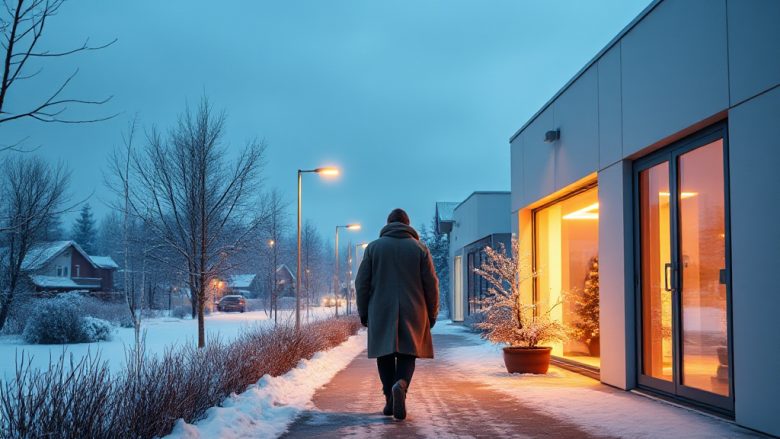
At three in the afternoon in a small Nordic town in December, the sky is already the colour of wet slate. Street lamps flicker on over packed snow, shop windows glow amber, and the day’s brief blue twilight is closing fast. For anyone who has moved north — or simply lives through a long, dark winter anywhere above the 55th parallel — this is the season that tests both body and mind. Yet the same conditions that drain energy also offer some of the most restorative natural experiences on earth, if you approach them with a little planning and a healthy respect for the cold.
This seasonal guide is written for northern-latitude readers who want to stay well from November through March, using winter light, snow, forest air and simple routines. It is not about forcing cheerfulness into the dark months. It is about working with the season rather than against it, and understanding what low light actually does to the human body. If you want a broader library of practical, evidence-informed articles on everyday wellbeing, Health coverage on LibTime is a good starting point for background reading before you build your own winter plan.
What Low Light Really Does to the Body
Sunlight is not just a mood cue; it is a biological signal. When light enters the eye, it travels to the suprachiasmatic nucleus in the hypothalamus, which acts as the body’s master clock. This clock governs sleep timing, hormone release, body temperature and appetite. During a northern winter, the number of daylight hours can drop to four or five, and even those hours are often overcast. The result is a weaker morning signal, which can push the circadian rhythm later and later. Many people notice they struggle to wake up, feel sluggish by early afternoon, and crave carbohydrate-rich food in the evening.
Two systems are most affected. The first is melatonin, the hormone that promotes sleep. In dim winter conditions, melatonin production may start earlier in the evening and linger longer in the morning, producing a heavy, foggy feeling. The second is serotonin, a neurotransmitter involved in mood regulation. Bright light exposure tends to support serotonin activity, so reduced light is associated with lower mood in susceptible people — the pattern clinicians call seasonal affective disorder, or SAD, when it becomes clinically significant.
Vitamin D is the other major player. Between roughly October and March, the sun sits too low in the sky at northern latitudes for UVB rays to reach the skin at the strength needed for cutaneous vitamin D synthesis. Even a cloudless noon walk in Helsinki, Oslo or Reykjavik produces almost no vitamin D. This is why public health bodies in Nordic countries often recommend supplementation during the winter months rather than relying on sun exposure. Low vitamin D status has been linked to fatigue, muscle aches and impaired immune function, though it is not a magic cure for low mood on its own.
Winter Light: How to Work With It, Not Against It
The single most effective habit for dark-season wellbeing is to get outside soon after waking, ideally within an hour of rising, and to stay out for at least twenty to thirty minutes. Morning light, even when it is cloudy, is far brighter than indoor lighting — a snowy overcast sky can still deliver several thousand lux, while a well-lit living room may offer only a few hundred. This contrast is what anchors the circadian clock and helps you fall asleep more easily at night.
Practical adjustments matter. Keep your bedroom dark in the evening and avoid bright screens close to bedtime, since evening light delays melatonin release. In the morning, do the opposite: open curtains immediately, eat breakfast near a window, and if you cannot get outside, consider a light therapy lamp of 10,000 lux for twenty to thirty minutes. Light therapy is one of the better-studied interventions for seasonal mood changes, and it works best when used consistently and early in the day.
Snow changes the equation in a helpful way. Fresh snow reflects up to 80 to 90 percent of incoming light, so a snowy landscape is significantly brighter than bare ground. This is one reason winter walks on snow can feel surprisingly uplifting even under cloud. It is also why eye protection matters on bright spring days when snow cover and stronger sun combine — snow blindness is a real hazard for skiers and hikers in March and April.
Snow, Cold and the Case for Going Outside
Cold air is not the enemy of health. Moderate cold exposure, when managed safely, can improve alertness and circulation, and outdoor winter activity burns more energy than the same activity in warm conditions because the body works to maintain core temperature. Cross-country skiing, snowshoeing, winter walking and even shovelling snow all count as meaningful exercise. The key is layering: a moisture-wicking base layer, an insulating mid-layer, and a windproof outer shell. Cover extremities, and change out of damp clothing as soon as you get indoors.
Safety deserves emphasis. Frostbite risk rises sharply when temperatures fall below minus 15 degrees Celsius, especially with wind. Watch for numbness, white or waxy skin, and tingling that does not resolve. Hypothermia can develop gradually; early signs include shivering, confusion and slurred speech. If you are heading into the forest or mountains alone, tell someone your route and expected return time, carry a charged phone, and remember that daylight disappears fast in December. A headlamp is not optional equipment in the north — it is basic safety gear.
The natural world in winter is quieter but not empty. Tracks in snow reveal foxes, hares, deer and even the occasional lynx. Evergreen forests smell sharper in cold air. Bird feeders bring activity to gardens, and the low sun turns birch trunks copper. Paying attention to these details is itself a form of restorative practice. For readers who want to extend that connection into the warmer months, Nature and seasonal outdoor guides offer ideas that pair well with a winter routine.
Forest Bathing in Snow and Frost
Forest bathing, or shinrin-yoku, began in Japan in the 1980s as a practice of slow, sensory immersion in woodland. Research has since linked it to reduced cortisol, lower blood pressure, improved heart rate variability and better mood. Much of the work has been done in temperate forests, but winter versions are gaining attention in Scandinavia and Canada, where the air is exceptionally clean and the sensory experience is intense.
A winter forest walk follows the same principles as a summer one, with adjustments. Move slowly. Breathe deliberately and notice the scent of resin and cold bark. Listen for the creak of trees, the muffled silence after snowfall, the call of a raven. Touch lichen, bark and snow. Sit for ten minutes on a dry mat if you can stay warm. The point is not distance covered but attention paid. Even twenty minutes in a local park with mature trees can lower stress markers.
Dress for stillness, not just for walking. When you stop moving, your body cools quickly. Bring a foam mat, an extra insulating layer and a thermos of something warm. Choose accessible trails in deep winter, and avoid areas with avalanche risk or unstable ice. If you are new to cold-weather hiking, start on well-marked forest paths near towns before attempting anything remote.
Month-by-Month Winter Routine for Northern Latitudes
November. Daylight is shrinking quickly and the first snow may arrive. This is the month to establish habits before the darkest weeks. Start vitamin D supplementation if your clinician recommends it, set a consistent wake time, and begin morning outdoor walks while the light is still relatively strong. Prepare your winter clothing and check your light therapy lamp if you use one.
December. The darkest month. Prioritise morning light exposure, keep evening light dim, and protect sleep. Social contact matters more now, so schedule it deliberately rather than waiting for invitations. Short outdoor walks at midday, even in twilight, still help. Be gentle with yourself about productivity; energy naturally dips.
January. Light begins to return, slowly. Many people feel a lift by the end of the month. This is a good time to add a longer weekend walk or a ski trip. Watch for ice on paths and use traction devices if needed. Continue vitamin D and keep your sleep schedule steady, since the body can lag behind the returning light.
February. Noticeably brighter, with longer twilights. Snow cover is often at its deepest, making this an excellent month for forest bathing and photography. Spring skiing conditions begin to appear on sunny days, which means stronger UV reflection — wear sunglasses or goggles. Mood often improves, but do not abandon the routines that got you through December.
March. The equinox approaches and daylight increases rapidly. Snow may become wet and heavy, and ice can be treacherous in the morning. This is a good month to plan garden and outdoor projects. If you grow food or keep plants, Gardening guides can help you time seed starting and cold-frame work to the lengthening days.
Food, Vitamin D and Winter Nutrition
Northern diets have long adapted to winter. Traditional foods include fatty fish, root vegetables, fermented dairy, berries preserved from autumn, and hearty grains. These are not just comfort foods; oily fish provides vitamin D and omega-3 fatty acids, while root vegetables supply fibre and slow-release energy. Fermented foods support gut health, which is increasingly linked to mood and immune function.
Vitamin D deserves specific attention. In many northern countries, official guidance recommends a daily supplement of 10 micrograms (400 IU) for adults year-round, and often higher in winter, particularly for people with darker skin, older adults, and those who cover their skin or spend little time outdoors. Doses above the recommended level should be discussed with a healthcare professional, since vitamin D is fat-soluble and can accumulate.
Hydration is easy to forget in cold weather. Indoor heating dries the air, and thirst signals are weaker. Drink water regularly, and include warm fluids such as herbal tea or broth. Alcohol may feel warming, but it disrupts sleep and can worsen mood in the dark months, so keep intake moderate. Caffeine is fine in the morning but best limited after early afternoon if sleep is fragile.
Sleep, Mood and When to Seek Help
Good sleep is the foundation of winter wellbeing. Aim for a consistent bedtime and wake time, keep the bedroom cool and dark, and get morning light as soon as possible. If you wake before dawn, a light therapy lamp can help reset the clock. Avoid long naps, which can fragment night sleep, and be cautious with alcohol as a sleep aid.
Low mood in winter is common, but it is not inevitable, and it is treatable. Seek professional support if you experience persistent low mood for more than two weeks, loss of interest in things you usually enjoy, significant changes in appetite or sleep, difficulty concentrating, or thoughts of self-harm. Seasonal affective disorder responds well to light therapy, cognitive behavioural therapy and, in some cases, medication. Do not wait until spring to ask for help.
Community matters too. Nordic countries consistently rank high on wellbeing despite dark winters, and part of the reason is social trust and shared outdoor culture. Join a walking group, a ski club or a winter swimming community if it appeals. Shared routines make the season feel shorter and more manageable.
Frequently Asked Questions
Can I get enough vitamin D from winter sun at northern latitudes?
For most people, no. Between roughly October and March, the sun’s angle at latitudes above 55 degrees means UVB radiation is too weak for meaningful vitamin D synthesis in the skin, even on clear days. Supplements or fortified foods are the practical route during this period, and it is worth checking your levels with a clinician if you have symptoms of deficiency.
Is forest bathing useful in snow and cold?
Yes, with sensible precautions. The core benefits come from slow, sensory attention in a natural setting, and winter forests offer strong sensory input — scent, silence, texture and light. Dress in layers, keep walks short in extreme cold, avoid avalanche terrain, and carry a headlamp and warm drink. Even twenty minutes can reduce stress markers.
How do I know if my winter low mood is seasonal affective disorder?
Seasonal affective disorder typically follows a pattern, with symptoms appearing in autumn or winter and lifting in spring. Key signs include low mood, low energy, oversleeping, carbohydrate cravings and difficulty concentrating. If symptoms are persistent, disruptive or include thoughts of self-harm, speak to a healthcare professional. Light therapy, therapy and medication are all effective options.
What is the safest way to exercise outdoors in deep winter?
Check the forecast, layer clothing, cover extremities, and tell someone your route. Avoid icy trails unless you have traction devices, and watch for frostbite and hypothermia signs. Carry a phone, a headlamp and water. Short, regular outings close to home are better than occasional ambitious ones when conditions are harsh.
Winter at high latitudes asks something of us, but it also gives something back. The light that returns in February feels earned. The silence of a snow-covered forest is a genuine remedy for a noisy year. With a few steady routines — morning light, vitamin D, outdoor movement, warm food and honest attention to mood — the dark months become not just survivable but quietly valuable.