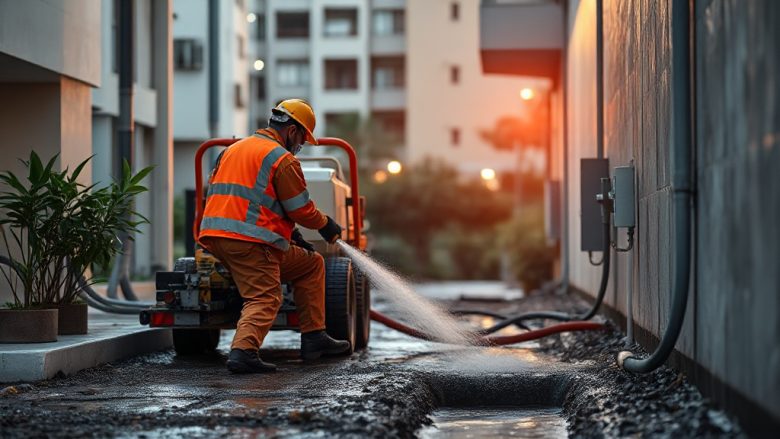
A Síndico’s Year of Drain Maintenance in Vila Maria, Quarter by Quarter
Picture a síndico in Vila Maria at the end of a long year, flipping through a folder of maintenance records. Every drain call was an emergency: a backed-up garage drain in March, a flooded laundry room in July, a restaurant grease line in November. Nothing was planned. The year was a series of reactions. Now imagine the opposite: a fiscal-year calendar where drain work is budgeted, scheduled and documented before problems escalate. That is the shift this guide proposes. For condominium managers in Vila Nova Cachoeirinha and the surrounding Vila Maria district, a planned year of drain maintenance is not a luxury; it is the cheapest way to protect the building’s hydraulic system and the reserve fund.
When you need a specialist to support that plan, a reliable desentupidora Vila Nova Cachoeirinha São Paulo SP can handle both scheduled preventive work and emergency call-outs. The goal is to make the emergency the exception, not the routine.
Why a Fiscal-Year Drain Plan Beats Reactive Repairs
Reactive drain maintenance is expensive for three reasons. First, emergencies happen outside business hours, when labor rates are higher. Second, a blocked line often damages surrounding areas, so you pay for cleanup as well as unblocking. Third, repeated small blockages usually signal a structural issue, such as root intrusion or pipe settlement, that only gets worse when ignored.
A fiscal-year plan changes the conversation in the assembly. Instead of asking for money after a flood, the síndico presents a predictable line item: inspections, hydrojetting, grease trap cleaning and a contingency reserve. Preventive drain maintenance is a budget line, not an emergency expense. That framing helps condominium owners approve the work before the crisis arrives.
Vila Maria’s building stock adds urgency. Many buildings mix residential units with ground-floor commerce, so restaurant and bakery grease enters the same network that serves apartments. Older properties may still have clay or cast-iron lines that are more vulnerable to roots and scale. A quarterly rhythm lets you spot these patterns early.
First Quarter: Audit, Document and Set the Baseline
The first quarter is for knowing what you have. Before scheduling any cleaning, gather every drain-related record from the previous two years: invoices, service reports, complaints from residents and any photos of past damage. This audit reveals which stacks, ralos and grease traps fail repeatedly.
Build a simple drain asset register
List every drain point in the common areas: garage floor drains, laundry room ralos, kitchen grease traps, rainwater inlets, sewage stacks and the septic or inspection chambers. For each, record location, approximate age, last service date and the type of problem reported. This register becomes the backbone of the year’s plan and the evidence you present at the assembly.
Commission a baseline inspection
Bring in a professional team to inspect the main lines with cameras where access allows. A desentupidora Vila Nova Cachoeirinha can map the problem areas and distinguish between a line that needs hydrojetting and one that needs structural repair. Document the findings with photos and a short written report. The baseline inspection is the reference point for every later decision.
At the end of the quarter, present a one-page summary to the assembly: what exists, what is at risk and a proposed annual budget. Keep the tone factual. Owners respond better to a camera image of root intrusion than to a general warning about old pipes.
Second Quarter: Preventive Cleaning Before the Rainy Season
By the second quarter, the plan moves from diagnosis to action. In São Paulo, the heaviest rains tend to arrive later in the year, so this is the window to clear lines that stormwater and sewage share. Blocked rainwater inlets during a downpour can flood garages and ground-floor units in minutes.
Schedule hydrojetting for the main sewage stacks and garage drains. Hydrojetting uses high-pressure water to scour grease, scale and sediment from pipe walls, which is more thorough than a simple snake. For buildings with commercial kitchens, add grease trap cleaning and verify that the trap is sized correctly for the volume of cooking oil produced.
This is also the moment to check the septic system if the property is not connected to the municipal network. A desentupidora em Vila Nova Cachoeirinha São Paulo SP can pump and inspect the tank, confirm the drain field is functioning and advise on the next service interval. Record the volume removed and the condition of the tank; these figures justify the following year’s budget.
After each service, file the report in the drain register. Note the date, the method used and any defects observed. Every service report should answer one question: did the condition improve, stay stable or worsen?
Third Quarter: Mid-Year Review and Emergency Readiness
The third quarter is a checkpoint. Review the first half’s reports against the baseline. If a line was cleaned in the second quarter and is already showing slow drainage, that is a signal of an underlying defect, not a maintenance failure. Escalate to a camera inspection and a repair quote rather than scheduling another cleaning.
Test the emergency protocol
Even a well-planned building will have an occasional blockage. Prepare a one-page emergency sheet for the portaria and the subsíndico: the contact number for the 24-hour drain service, the location of the main cleanout and the water shut-off valve, and a short checklist of what to tell the technician. A team that offers 24-hour emergency response can be dispatched faster when the information is ready.
Review contracts and response times
If the condominium has a maintenance contract, verify the agreed response time and what it covers. A contract that promises attendance within a few hours is worth more than a slightly lower price with vague availability. Confirm whether hydrojetting and septic cleaning are included or billed separately, so the reserve fund is not surprised.
Use this quarter to update residents, too. A short notice in the elevator or WhatsApp group explaining what not to flush or pour down the drain reduces the most common causes of blockages.
Fourth Quarter: Year-End Documentation and Next-Year Budget
The final quarter turns the year’s work into governance evidence. Compile a single year-end report: the baseline inspection, each service report, photos, invoices and a summary of incidents. This document does three things. It proves the síndico acted with diligence. It supports the next budget with real data. And it protects the condominium in any dispute over damage or negligence.
Compare actual spending with the budget approved at the start of the year. If emergency calls exceeded the reserve, identify which drain points caused them and propose targeted preventive work for the next cycle. If the year went smoothly, consider extending the cleaning interval on low-risk lines and redirecting the savings to higher-risk areas.
Present the year-end report at the assembly alongside the next year’s proposed drain plan. Documentation is what turns a maintenance habit into a governance asset. Owners who see a clear record of planned work are more likely to approve the following year’s budget without debate.
Costs, Trade-Offs and Common Mistakes to Avoid
Drain maintenance costs vary with line length, access difficulty, the method used and whether the work happens during business hours or at night. Rather than quoting fixed prices, ask for an itemized proposal that separates inspection, hydrojetting, septic cleaning and emergency call-out fees. Compare proposals on scope, not only on the bottom line.
| Approach | Typical pattern | Effect on the reserve fund |
|---|---|---|
| Reactive only | Emergency calls, cleanup costs, repeated visits | Unpredictable spikes |
| Planned quarterly | Scheduled inspections and cleaning, fewer emergencies | Predictable, easier to approve |
Common mistakes include cleaning the same line repeatedly without investigating why it blocks, skipping grease trap maintenance because the trap is out of sight, and failing to record service reports. Another frequent error is choosing the lowest quote for an emergency without confirming that the provider has the equipment for hydrojetting or septic pumping. A cheap unblocking that does not address the cause is the most expensive option.
Finally, avoid treating the drain plan as the síndico’s private project. Involve the subsíndico, the portaria team and, where relevant, the commercial tenants. Shared ownership of the plan makes the quarterly routine survive changes in management.
Frequently Asked Questions for Síndicos
How often should a condominium in Vila Maria schedule drain maintenance?
A quarterly rhythm works for most buildings: an annual baseline inspection, preventive cleaning before the rainy season, a mid-year review and a year-end documentation cycle. Buildings with commercial kitchens or older pipework may need more frequent grease trap and stack cleaning.
What should the síndico keep in the maintenance file?
Keep the drain asset register, baseline inspection report, every service report with photos, invoices and a summary of incidents. This file supports budget approvals and demonstrates diligence if a dispute arises.
Is a 24-hour emergency service necessary if the building has a plan?
Yes. Even well-maintained systems can block unexpectedly, and a fast response limits water damage. Confirm the provider’s response time and keep the contact sheet at the portaria.
How can the síndico justify the preventive budget to owners?
Show the cost of past emergencies against the proposed preventive line item. Use the year-end report to demonstrate that planned work reduced incidents, and propose the next cycle based on the documented risk areas.
A Documentation Habit That Outlasts Any Single Síndico
The most durable outcome of a planned year is not a clean pipe; it is a habit. When every inspection, cleaning and emergency is recorded in the same register, the building develops institutional memory. A new síndico inherits a clear picture instead of a folder of loose invoices. The next budget is built on evidence, and the assembly debates priorities rather than reacting to the last flood.
Start with the register this quarter, schedule the baseline inspection, and let the calendar carry the rest. In Vila Maria and Vila Nova Cachoeirinha, the buildings that treat drain maintenance as a fiscal-year discipline spend less, argue less and flood less.