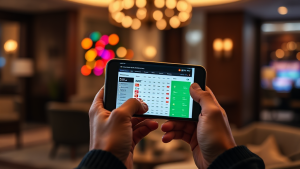
Where You Are Shapes How You Bet: A Geography of Access to tk999 in Bangladesh
Two people can open the same platform on the same evening and have completely different experiences. One loads instantly on a fast fibre connection in Dhaka; the other waits, drops connection, and retries on a patchy mobile signal in a rural upazila. That gap is not about the platform’s ambition — it is about geography. For anyone using tk999, understanding how connectivity, region and device mix shape the experience is the difference between frustration and a smooth session.
This article looks at tk999 through an infrastructure lens: where users actually are, what networks they rely on, which devices dominate, and how those realities change the way the platform behaves from one district to the next.
The Connectivity Divide: Why the Same Platform Feels Different in Dhaka and Kurigram
Bangladesh’s internet landscape is not uniform. Urban centres like Dhaka and Chattogram enjoy dense 4G coverage and growing fibre-to-the-home penetration, while rural districts often depend on mobile data with variable signal strength. The result is that a betting interface optimised for low latency will feel responsive in one place and sluggish in another.
Latency matters more than raw speed for interactive platforms. A user in Sylhet with a stable 4G connection may experience smoother page transitions than a user in a remote coastal area with a theoretically faster but unstable link. Consistency of connection, not peak bandwidth, determines how usable tk999 feels.
Peak-Hour Congestion and Regional Variation
Evening hours are peak time for online activity across Bangladesh, and mobile networks in densely populated areas can become congested. Users in areas with fewer cell towers may notice slower load times precisely when they want to use the platform most. This is an infrastructure reality, not a platform flaw, but it shapes how people plan their sessions.
Fixed Broadband vs Mobile Data
Where fibre or fixed wireless is available, the experience is generally more stable for longer sessions. Mobile data remains the primary access method for most users outside major cities, which means the platform’s mobile-first design is not just convenient — it is essential.
Device Mix: The Smartphone Is the Default Gateway
For the vast majority of Bangladeshi users, the smartphone is the only device they use to access online services. This has direct implications for tk999: the mobile experience is not a secondary consideration but the primary one. The platform offers a downloadable app, which makes sense in a market where browser-based sessions can be interrupted by background app activity and limited RAM.
Entry-level Android devices dominate the market, and they behave differently from flagship phones. A user with a budget handset may need to close other apps before opening tk999, while a user with a higher-end device can multitask without issue. Device capability is a hidden variable in how the platform performs.
App vs Browser: Which Works Better Where
The downloadable app tends to offer a more consistent experience on lower-end devices because it can manage resources more efficiently than a browser tab. In areas with unstable connections, the app’s ability to resume sessions can also reduce the frustration of dropped connections.
Storage and Update Constraints
Users with limited storage may hesitate to download additional apps. This is a practical access barrier that varies by device, not by district, but it intersects with geography when combined with slower download speeds in rural areas.
Regional Payment Habits and How They Affect Access
Payment methods vary across Bangladesh, and this shapes how users interact with any online platform. Mobile financial services are widely used, but the specific providers and their reliability can differ between urban and rural areas. A user in Dhaka may have multiple payment options at their fingertips; a user in a smaller town may rely on a narrower set.
For tk999, the practical takeaway is that access is not just about getting to the site — it is about completing the full cycle of registration, deposit and withdrawal using methods that work locally. Payment infrastructure is part of the access story.
Registration Friction Points
Registration is usually straightforward, but users on slower connections may find the process more tedious if pages time out. Keeping the registration flow short and mobile-friendly is a design choice that pays off in low-bandwidth regions.
Withdrawal Timing Expectations
Users in areas with unreliable connectivity may experience delays in confirming transactions simply because their connection drops mid-process. Understanding this helps set realistic expectations.
Language, Literacy and Local Context
Bangladesh is linguistically diverse in practice, with Bangla as the primary language and English widely understood in urban areas. The tk999 interface and support materials need to work for users whose comfort with English varies. This is not just a translation issue — it is about clarity in a second language under time pressure.
Users in different regions may also have different levels of familiarity with online platforms generally. First-time users in less-connected areas may need more guidance than urban users who are already comfortable with digital services. This affects how support is delivered and how intuitive the interface must be.
Support Access Across Regions
Live chat and messaging support are only useful if the user’s connection can sustain them. In low-signal areas, asynchronous support options may be more practical than real-time chat.
Trust and Local Reputation
Word-of-mouth still matters in Bangladesh, and a platform’s reputation in one district can influence adoption in another. Regional trust networks shape how new users approach tk999.
Practical Steps for a Smoother Experience Wherever You Are
Given these geographic and infrastructural variables, users can take practical steps to improve their experience regardless of location. The goal is to work with the local conditions rather than against them.
- Check your connection stability before a session. A quick speed test or a simple browse of a few sites tells you whether the network is having a good day.
- Use the app if your device can handle it. The downloadable app from tk999 is designed for mobile conditions and can be more resilient than a browser.
- Close background apps on lower-end phones. Freeing up memory reduces the chance of the platform stalling mid-session.
- Complete registration and verification during off-peak hours. Fewer users online means less congestion and fewer timeouts.
- Keep payment details ready before you start. Having your mobile financial service information at hand reduces the number of steps that can fail.
None of these steps guarantees a perfect experience, but together they address the most common access issues reported by users in varied regions.
Frequently Asked Questions About Access to tk999
Does tk999 work the same way in all parts of Bangladesh?
The platform itself is the same, but the experience varies with local network conditions, device type and payment infrastructure. Urban users generally encounter fewer technical interruptions, while rural users may need to plan around connectivity limitations.
Is the mobile app better than the browser version in low-signal areas?
In many cases, yes. The app can manage resources more efficiently and resume sessions more gracefully when the connection drops. However, if your device has limited storage, the browser version remains a workable alternative.
What should I do if pages load slowly during peak hours?
Try again outside peak evening hours, or switch to a different network if one is available. Slow loading is usually a sign of network congestion rather than a problem with the platform itself.
Can I register if I have a slow connection?
Yes, but it may take longer. Keep the registration page open and avoid switching apps mid-process. If the connection drops, you can usually resume where you left off.
Geography does not have to be a barrier. By understanding how connectivity, devices and local infrastructure interact, users across Bangladesh can get the most out of their time on the platform — wherever they happen to be.