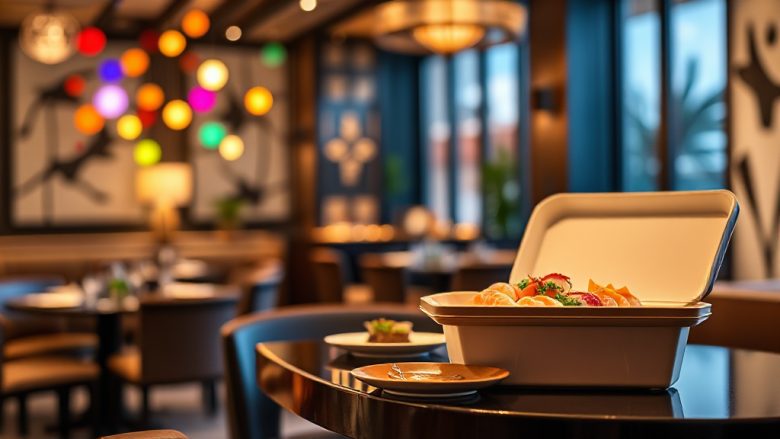
Dine-In or Takeout: Weighing the Trade-Offs
Choosing between eating in and taking out at a Japanese restaurant is not a single decision — it is a series of small trade-offs. The same kitchen produces the sushi and sashimi either way, but the experience around it changes completely. If you are comparing options and want to check the menu before deciding, start with the restaurant’s own meme4d daftar page so you are reading the real offerings rather than a copy.
This comparison looks at atmosphere, freshness, convenience and cost so you can pick the format that fits the moment instead of defaulting to habit.
Atmosphere: What You Gain by Staying
A dining room is part of the product. At a Japanese restaurant, the setting — table spacing, lighting, the pace of service — shapes how you taste the food. Sushi and sashimi are often presented with care, and that presentation is easier to appreciate when it arrives on a table rather than in a stacked container.
Dine-in also gives you access to the full range of the menu. Some items, especially delicate cuts and chef-prepared plates, are simply not built to travel. A restaurant that offers a new type of sushi may reserve its best compositions for guests who eat on site, because the texture depends on timing.
When atmosphere is worth the extra effort
- You are celebrating something and want the meal to feel like an occasion.
- You are trying unfamiliar dishes and want to ask questions.
- You want the food at the temperature and texture the chef intended.
The trade-off is time and planning: you need a reservation, travel, and a table that may be busier than expected.
Freshness: The Real Difference Between the Two
Freshness is where the comparison gets interesting. Sushi and sashimi are at their best in the first minutes after preparation. Dine-in shortens the gap between the kitchen and your plate, which matters most for raw fish, warm rice and anything with a crisp element.
Takeout does not automatically mean lower quality, but it introduces variables: travel time, container humidity and temperature change. A well-run restaurant packs cold items separately and keeps sauces apart, but no container can match a plate served immediately.
How to protect freshness on the way home
- Order items that travel well — rolls, sashimi kept cold, and cooked dishes.
- Pick up at the time given rather than arriving early and letting food sit.
- Keep cold items cool and eat within a short window after pickup.
- Avoid stacking heavy containers on top of delicate pieces.
If freshness is your top priority and the drive is long, dine-in usually wins. If the trip is short, the gap narrows considerably.
Convenience and Cost: Where Takeout Pulls Ahead
Takeout wins on scheduling. There is no reservation to secure, no waiting for a table and no need to coordinate a group’s arrival time. For a weeknight dinner, that flexibility is often the deciding factor.
Cost is more nuanced. The food itself is usually priced similarly, but dine-in adds tips, drinks and sometimes a longer stay that encourages extra ordering. Takeout removes service overhead but may add a packaging fee at some restaurants.
| Factor | Dine-In | Takeout |
|---|---|---|
| Atmosphere | Full experience | None |
| Freshness | Best case | Depends on travel time |
| Scheduling | Requires reservation | Flexible |
| Menu range | Usually complete | Sometimes limited |
| Total cost | Higher with tips and drinks | Lower, plus packaging |
Neither column is universally better. The table simply shows what you are trading away.
Common Mistakes When Ordering Either Way
The most common mistake is ordering from the wrong page. Restaurant names get copied, and search results sometimes surface unrelated pages that have nothing to do with the kitchen. Always confirm you are on the restaurant’s official ordering or menu page before you submit anything.
Other frequent errors:
- Assuming takeout portions match dine-in portions — they usually do, but confirm.
- Ordering delicate items for a long drive.
- Skipping the reservation on busy evenings and arriving without a plan.
- Ignoring pickup timing and letting food wait.
A few minutes of checking prevents most of these problems. If you are unsure which items are suitable for travel, ask when you order — staff know their own menu best.
Verdict: Match the Format to the Moment
Dine-in is the better choice when the meal is the event, when you want the full menu and when freshness is non-negotiable. Takeout is the better choice when time is short, the group is scattered or you simply want a good meal without planning around a table.
A practical middle ground: dine in when trying new dishes or celebrating, and take out when you already know what you like. Either way, verify the source of the menu first, keep the pickup window short, and let the kitchen do the rest.